
At the NTU Muslim Society booth yesterday, I was approached by a lot of freshies (yay) who asked me a lot of questions (double yay). It pleased me a lot that they seemed to enjoy asking their questions as much as I did answering them.
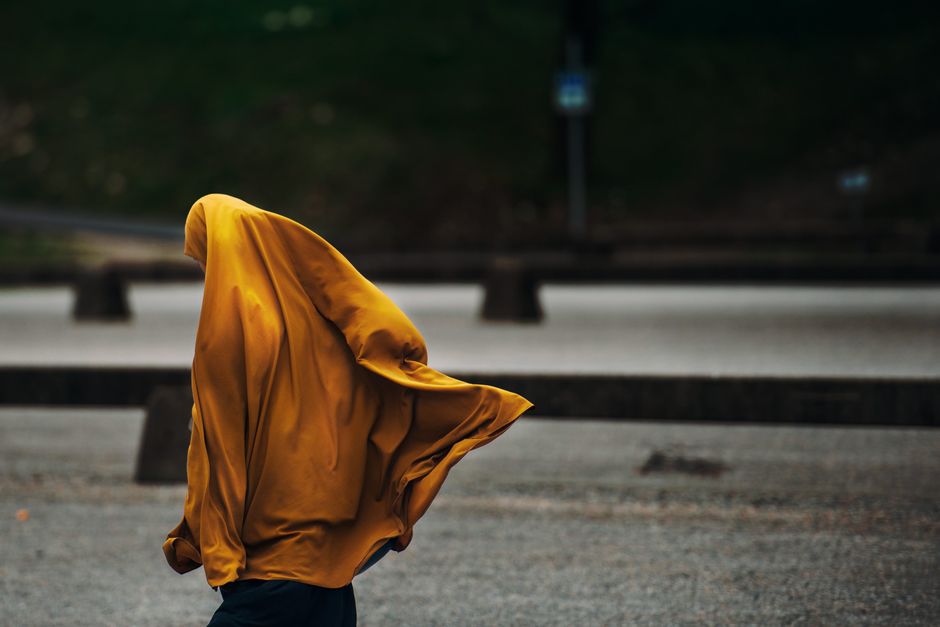
There were, however, a few that made me ruminate a lot, and one of them is this: "does MS accept girls like me?" What she meant was: "girls who don't wear the physical hijab".
I assured and reassured her with my answer and my thoughts, letting her know that whatever her experience was with previous "Muslim societies" the people in NTUMS try their best to be more inclusive. I asked for her thoughts and her own preconceived notions, and gave her mine when she asked for it. In the middle of the busy crowds bustling around to find a CCA, under the extremely hot sun with its oppressive heat, we had a heartfelt conversation. It was short but it was pretty impactful, at least to me.
Until now, I am still reflecting about it. I guess, to be rly honest, I'm not too surprised by the questions. But no surprise doesn't mean no sadness.
Naturally, people would think a "Muslim society" is "supposed" to have people who "look Muslim". And I don't blame them. If "looking Muslim" refers to only people who fully cover their aurah and have kind smiles, then Muslim Societies are full of them – just look at our many photos of hijab-wearing girls and bearded men.
And in a way, that's good, isn't it? For such a Muslim "image", you would want "good"-looking people. And yet, I still feel a little unsettled. Everyone is, of course to a certain extent, obsessed with images. Possessing such a concern isn't always a bad thing. But when it comes to something as complex, deep, complicated, sacred, and extremely personal as faith, how important does image become?
Just this morning, I came across a tweet where a Malaysian lady was scolded badly for wearing "tight" and "figure-hugging" clothes to a mosque. Immediately, I thought of the Malaysian series Nur that was just airing a few months ago. The titular character, Nur, wanted to enter a mosque, but was barred by a man who felt her to be too "dirty" to step foot into a place as pure as the mosque. But her companion, Adam, reprimanded the man, and told them to think this: if later in the akhirah, Nur is asked why she did not go to the mosque, and she answers that it is because of the man who threatened to physically assault her, then what is his answer? Who was he to prevent others from gaining the barakah of praying in the mosque?
When we all prioritise the image and the outer appearance, we end up judging too much, too unncessarily, and sometimes harmfully or dangerously. Even if we're not like the man of the mosque in Nur, we may still unintentionally exclude and make other people – people who wish to be better – uncomfortable or unworthy.
When I was sharing with my Islamic Awareness Programme team about the questions I received at the MS booth, we all somewhat came to this conclusion: the want to see faith beyond the phyical, the want to look at someone's religion mainly and mostly through action, rather than purely appearance.
I wish for more Muslim societies and communities to be increasingly open and welcoming, no matter who and how the person looks. To see faith in others' hearts, and to see faith with our own hearts.

0 comments